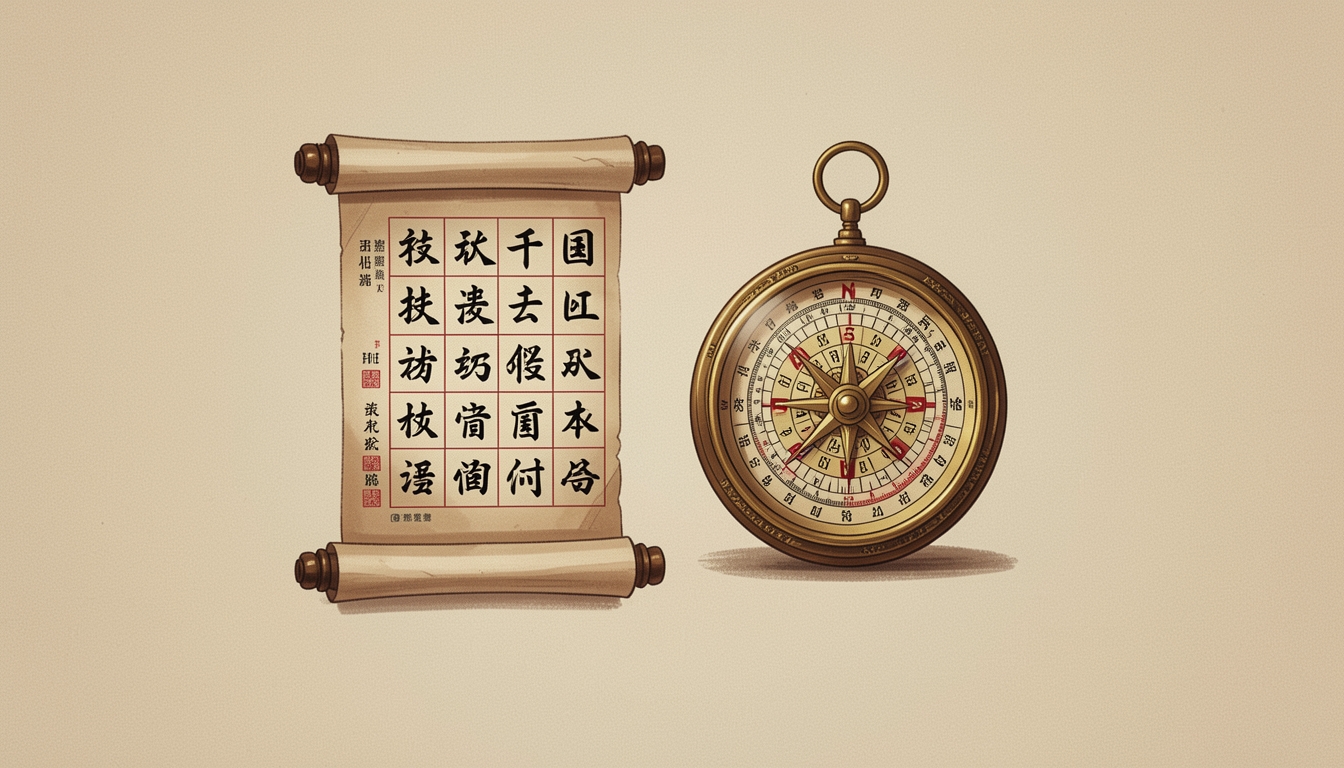
Qimen Dunjia is one of the most sophisticated systems in Chinese metaphysics, and also one of the most misunderstood. Its name is often translated as "Strange Door Escaping Technique," which makes it sound like a mystery novel. In practice, Qimen is a timing and strategy system. It helps readers compare moments, directions, and options so they can choose when and how to act.
This guide explains the basics without assuming any prior knowledge. You will learn what a Qimen board contains, what kind of questions the system can address, and how it differs from a BaZi chart.
The Qimen Board
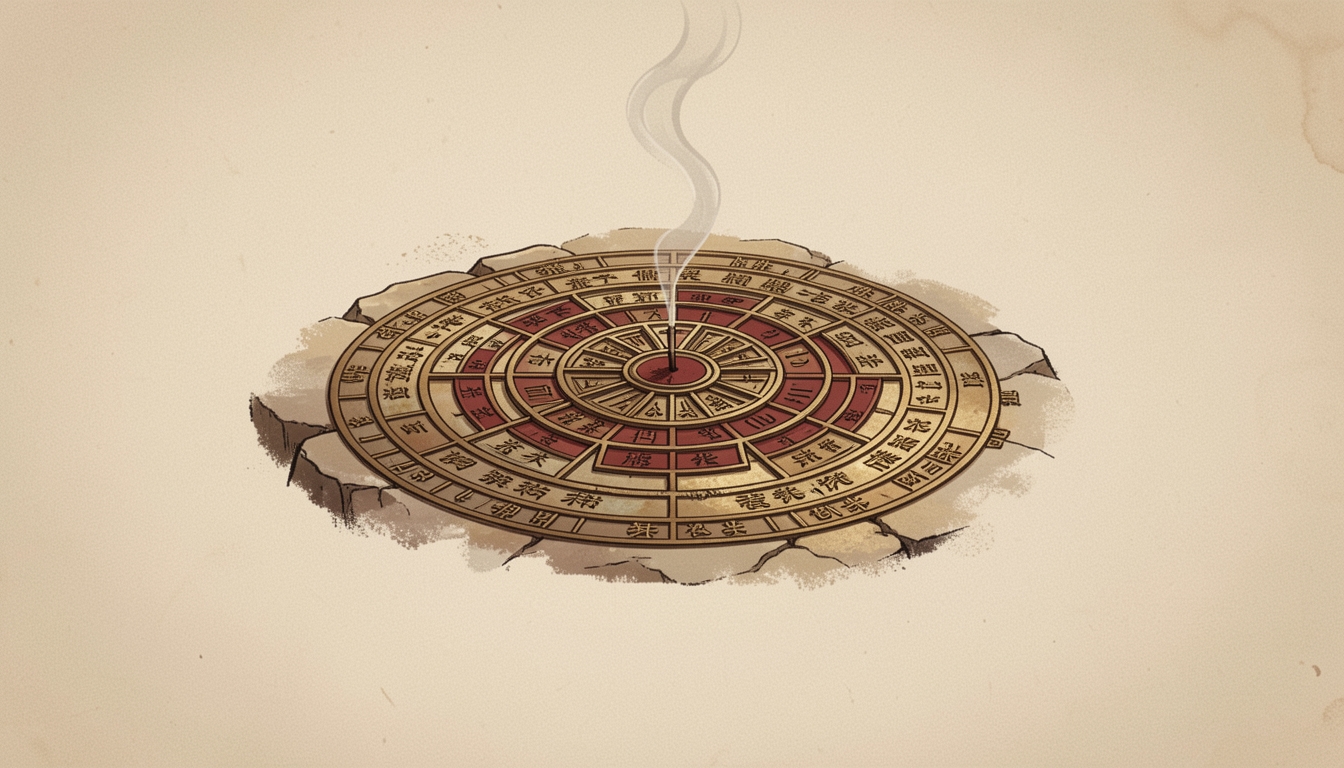
Qimen arranges its information on a nine-palace board. The central palace holds the time indicator, while the surrounding eight palaces hold Doors, Stars, Spirits, and other symbolic layers. Each layer represents a different kind of information: the Doors describe openings and paths, the Stars describe background tendencies, and the Spirits describe atmosphere and unseen influences.
A full reading layers these elements together for a specific moment in time. Because the board changes as time moves, Qimen is deeply situational. It does not describe a fixed personality; it describes the quality of a window of time.
What Qimen Is Used For
Traditionally, Qimen has been used for major strategic questions: when to move, when to negotiate, which direction to favor, and whether a situation is ripe for action. Modern readers use it for career moves, business decisions, travel timing, negotiations, and personal transitions. The recurring question is not "What is my destiny?" but "What is the quality of this moment, and how should I act within it?"
That makes Qimen especially useful when a decision depends on timing. If you are choosing between launching a project now or waiting, or deciding between two directions, a Qimen-style reading can frame the comparison.
Qimen Is Not Fortune-Telling
It is tempting to treat Qimen as a way to predict specific events. Serious readers resist that shortcut. The board does not guarantee outcomes. It offers context: which doors feel open, which forces are strong, and which patterns deserve caution. The final decision always remains human.
If you are new to the subject, treat Qimen as a thinking tool. The discipline of comparing timing, direction, and symbolic pressure can sharpen decisions even before you master the board.
FAQ
Is Qimen Dunjia the same as BaZi?
No. BaZi reads a birth chart and life timing. Qimen reads the quality of a specific moment or situation. See Qimen vs. BaZi for a full comparison.
Do I need my birth data for Qimen?
Usually not. Qimen is typically cast for the current moment or the moment of a proposed action, not from birth data.
Is Qimen difficult to learn?
Yes, it is one of the more demanding systems. Beginners do best with clear guides and steady practice. The Qimen library is a good place to start.
Where to Go Next
Compare the two systems in Qimen Dunjia vs. BaZi, then browse the Qimen guides for timing, direction, and strategy articles.